What Are Liver Function Tests?
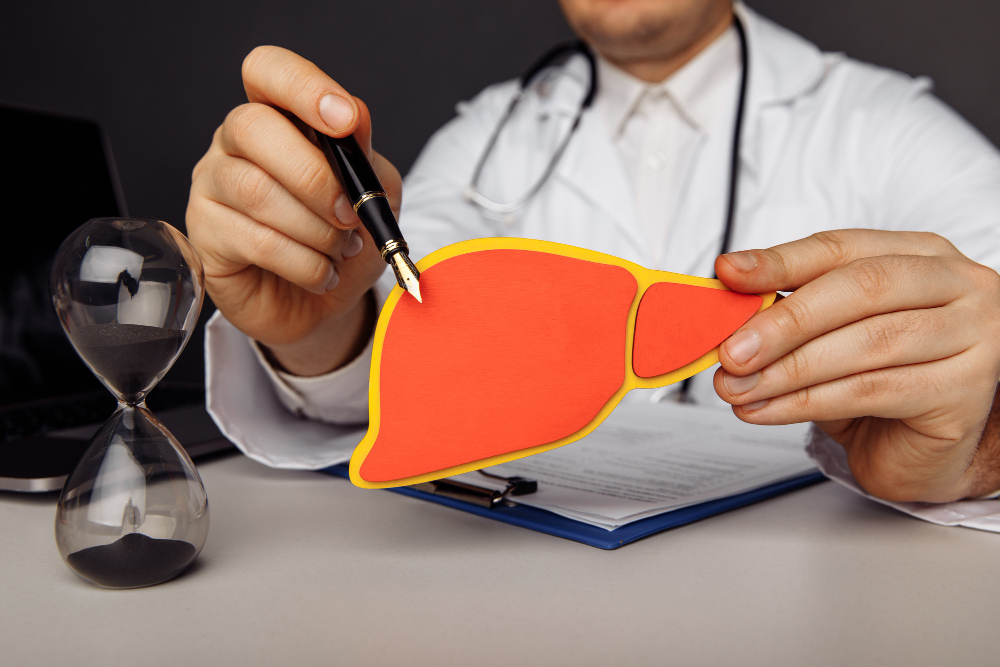
Liver function tests are simple blood tests that check how well your liver works. These tests help doctors find problems early. Because the liver is vital for your health, keeping it in good shape is important. Liver function tests, also called liver blood tests, measure different chemicals and proteins in your blood. According to the CDC, these tests can show signs of liver damage or disease.
Why Are Liver Function Tests Important?
First, your liver does many jobs. It helps digest food, stores energy, and removes toxins. If your liver is not healthy, you may not feel well. Liver function tests can spot problems before symptoms appear. For example, early testing can help prevent serious liver diseases. Also, these tests help doctors check if treatments are working. In many cases, regular liver health screening can save lives.
Common Types of Liver Function Tests
Doctors use several tests to check liver health. Each test looks at a different part of liver function. Here are the most common ones:
Doctors often order ALT and AST tests together. These help give a clear picture of liver health.
How Are Liver Function Tests Performed?
Liver function tests are quick and easy. First, a nurse or technician takes a small blood sample from your arm. The sample goes to a lab for testing. You may need to fast before the test, but your doctor will tell you if this is needed. Most people feel only a small pinch during the blood draw. Afterward, you can return to your normal activities right away.
Understanding Your Results
When you get your results, you will see numbers for each test. But what do these numbers mean? Here is a simple guide:
However, many things can affect your results. For example, some medicines or even exercise can change your numbers. Therefore, always talk to your doctor about what your results mean for you. The World Health Organization suggests regular check-ups for people at risk of liver disease.
When Should You Get Tested?
Sometimes, you may need a liver blood test even if you feel fine. Here are some common reasons to get tested:
In addition, regular liver health screening is wise if you have diabetes or are overweight. Early testing can help catch problems before they get worse.
Tips for a Healthy Liver
Keeping your liver healthy is easier than you think. Here are some simple tips:
With these steps, you can protect your liver and lower your risk of disease.
Frequently Asked Questions
In summary, liver function tests are important tools for checking your liver health. They help find problems early and guide treatment. Consult a healthcare professional for personalized advice on liver function tests.