
What is a Renal Function Test?
A renal function test checks how well your kidneys are working. Your kidneys filter waste and extra fluids from your blood. They also help balance minerals and control blood pressure. Because healthy kidneys are vital, doctors use these tests to spot problems early. A renal function test is also called a kidney function test. It uses blood and urine samples to measure how well your kidneys clean your blood.
Why is a Renal Function Test Done?
Doctors order a renal function test for many reasons. For example, you may have symptoms like swelling, tiredness, or changes in urination. Sometimes, people with high blood pressure or diabetes need regular kidney checks. Early testing helps find kidney disease before it gets worse. In addition, if you take medicines that can affect your kidneys, your doctor may suggest this test. Regular testing helps keep your kidneys healthy and working well.
Common Types of Renal Function Tests
There are several tests to check kidney health. Each test looks at a different part of kidney function. Here are the most common types:
How to Prepare for a Renal Function Test
Most renal function tests are simple and need little preparation. However, your doctor may give you special instructions. For example, you might need to avoid certain foods or medicines before the test. Always follow your doctor’s advice. In most cases, you can eat and drink as usual. If you need to fast, your doctor will tell you. Bring a list of your medicines to your appointment. This helps your healthcare team get accurate results.
What to Expect During the Test
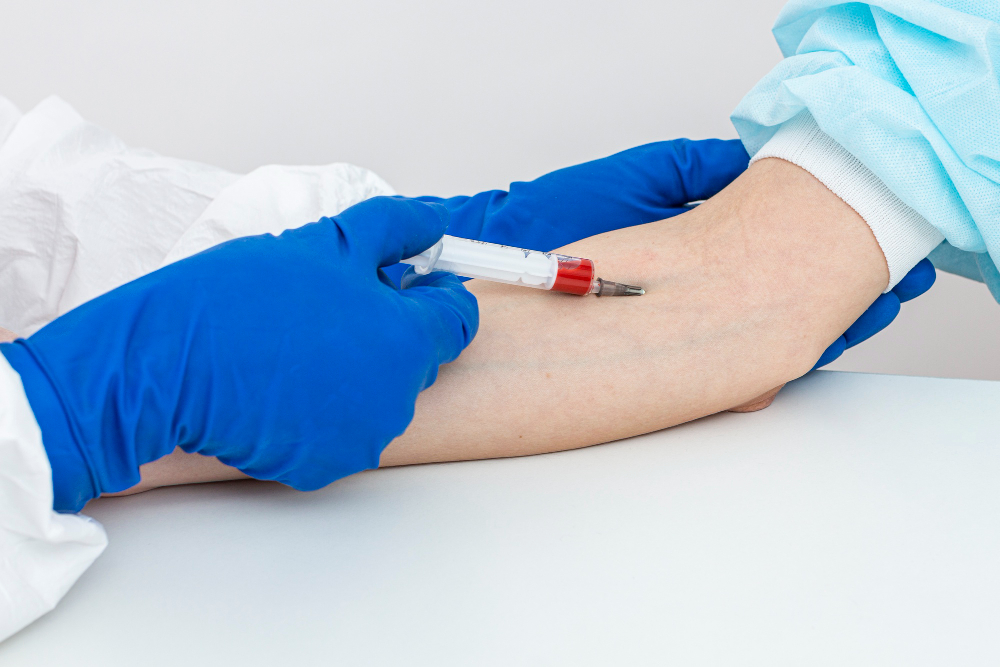
Renal function tests are quick and easy. For blood tests, a nurse will take a small sample from your arm. This usually takes just a few minutes. For urine tests, you may need to give a sample at the clinic or collect it at home. Sometimes, you may need to collect your urine over 24 hours. Your doctor will explain what to do. After the test, you can return to your normal activities right away.
Understanding Your Renal Function Test Results
After your test, your doctor will review your results. Here’s what some results may mean:
However, many things can affect your results. For example, dehydration or certain medicines can change your numbers. Always talk to your doctor about what your results mean for you. For more details, you can visit trusted sites like the CDC or WHO.
Tips for Maintaining Healthy Kidneys
Keeping your kidneys healthy is important for your overall well-being. Here are some simple tips:
Frequently Asked Questions about Renal Function Tests
Conclusion
Renal function tests are key for checking kidney health. Early testing can help prevent serious problems. If you have questions about your kidney health or test results, consult your healthcare provider for advice tailored to you.