
Introduction
The reticulocyte test is a simple blood test that checks the number of young red blood cells in your blood. Doctors use the reticulocyte test to help diagnose anemia and other blood problems. Because it gives important clues about your health, understanding this test can help you feel more confident about your care. In this blog, you will learn what the reticulocyte test is, why it is done, and what your results may mean.
What Is a Reticulocyte Test?
A reticulocyte test measures the number of reticulocytes in your blood. Reticulocytes are young red blood cells made in your bone marrow. These cells become mature red blood cells after a few days. Since red blood cells carry oxygen, having the right number is important for your health. The reticulocyte test is often part of a complete blood count or anemia diagnosis.
Why Is the Reticulocyte Test Done?
Doctors order a reticulocyte test for several reasons. For example, it helps them:
Sometimes, the test is also used to check for other blood disorders. According to the CDC, this test is a key tool in understanding blood health.
How Is the Reticulocyte Test Performed?
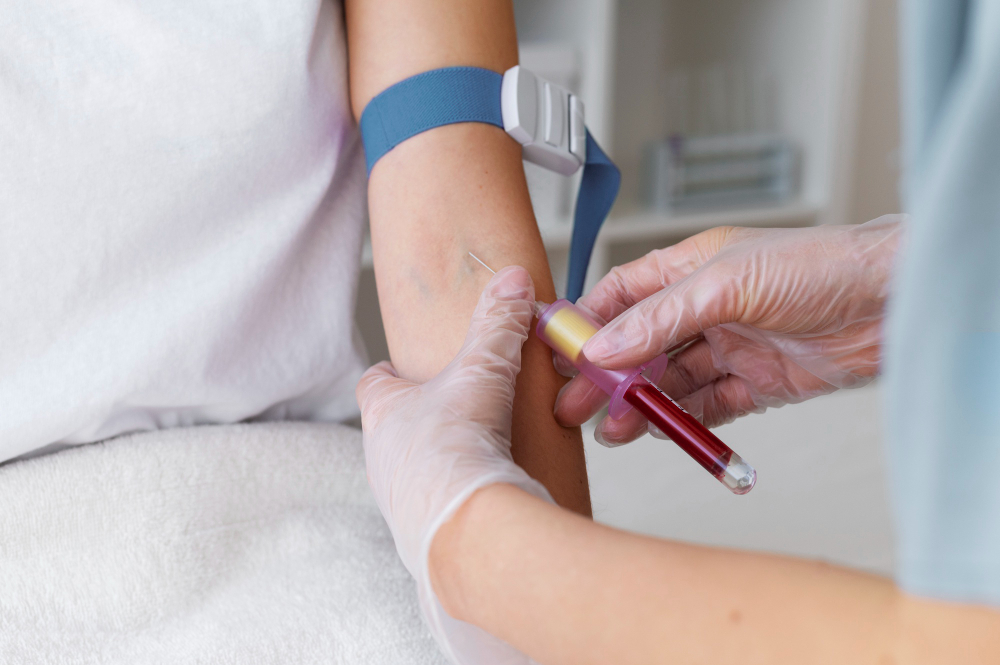
The reticulocyte test is quick and simple. First, a healthcare worker will clean your arm. Next, they will use a small needle to take a blood sample from a vein. The sample is sent to a lab for testing. Usually, you do not need to do anything special to prepare. However, always follow your doctor’s instructions before any blood test.
Understanding Your Reticulocyte Test Results
After the test, your doctor will review your reticulocyte count. Here is what the results may mean:
Because other factors can affect your results, your doctor will explain what your numbers mean for you. For more details, the World Health Organization (WHO) offers helpful information about blood tests and anemia.
Risks and Considerations
Like most blood tests, the reticulocyte test is safe. Still, you may feel a small pinch during the blood draw. Afterward, you might see slight bruising or feel mild soreness. These effects usually go away quickly. Rarely, some people may feel dizzy or faint. If you have concerns, talk to your healthcare provider before the test.
Frequently Asked Questions about the Reticulocyte Test
When to Consult a Doctor
If you feel tired, weak, or notice pale skin, you may have low red blood cells. These symptoms can mean you need a reticulocyte test. Also, if you have questions about your blood test results, talk to your doctor. Early testing and treatment can help you stay healthy.
If you have questions about your reticulocyte test results, consult a healthcare professional for personalized advice.