
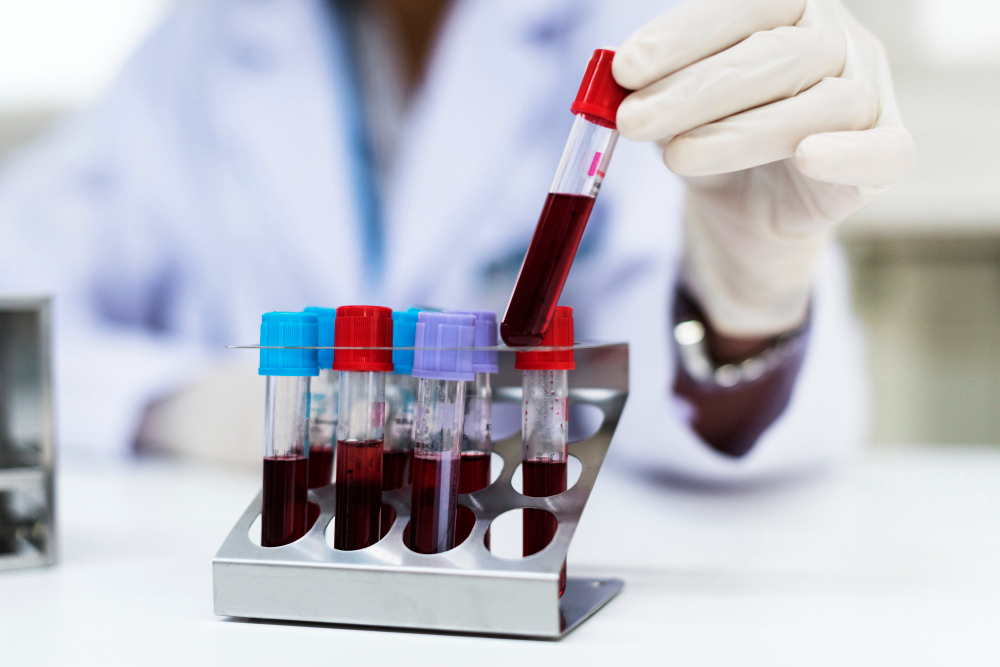
What Are Regular Health Checkups?
Regular health checkups are visits to your doctor even when you feel well. These visits help you stay healthy and catch problems early. Usually, doctors call these visits preventive health screenings or annual medical exams. During a checkup, your doctor reviews your health, asks questions, and may order tests. In many cases, these checkups help you understand your body better. For example, you may learn about your blood pressure or cholesterol levels. Because health needs change with age, your doctor may suggest different tests over time.
Why Are Regular Health Checkups Important?
Regular health checkups are important for many reasons. First, they help find health issues before they become serious. Early detection often means easier treatment. Also, these visits give you a chance to talk about any concerns. For instance, you can ask about diet, exercise, or family health risks. In addition, your doctor can update your vaccines and review your medications. Over time, regular checkups build a strong relationship with your healthcare provider. This trust makes it easier to discuss your health openly.
Common Tests and Screenings Included
During a regular health checkup, your doctor may suggest several tests. These tests depend on your age, gender, and health history. However, some common screenings include:
Because each person is different, your doctor may recommend other tests. For example, people with a family history of heart disease may need extra screenings.
How to Prepare for a Health Checkup
Preparing for a health checkup is simple. First, make a list of your current medicines. Include vitamins and supplements. Next, write down any symptoms or questions you have. For example, note if you have pain or trouble sleeping. Also, bring your medical records if you are seeing a new doctor. In some cases, your doctor may ask you to fast before blood tests. Always follow these instructions. Arriving a few minutes early helps you relax before your appointment.
Benefits of Early Detection and Prevention
Early detection is one of the biggest benefits of regular health checkups. When problems are found early, treatment is often easier and more effective. For example, high blood pressure can be managed before it causes heart disease. In addition, preventive health screening can help you avoid serious illnesses. Vaccines and lifestyle advice may keep you healthy for years. Because of these benefits, many experts, including the CDC and WHO, recommend routine checkups for everyone.
Tips for Scheduling and Following Up
Scheduling regular health checkups is easy with a few tips. First, mark your calendar for your next visit. Many clinics offer reminders by phone or email. Also, ask your doctor how often you need checkups. For most adults, once a year is common. After your visit, follow your doctor’s advice. For example, take medicines as prescribed and complete any follow-up tests. If you have questions, do not wait—call your clinic for help. Staying in touch with your healthcare team keeps you on track.
Frequently Asked Questions
In summary, regular health checkups help you stay healthy and catch problems early. They offer peace of mind and support your long-term well-being. Consult a healthcare provider to schedule your regular health checkup and receive personalized advice.