What is Tuberculosis Screening?
Tuberculosis screening is a way to check if someone has been exposed to the bacteria that cause tuberculosis (TB). This process helps find TB infection early, even before symptoms appear. Early detection through tuberculosis screening is important because it can stop the spread of TB in your community. Screening often uses simple tests to look for signs of infection. According to the CDC, TB is a serious disease, but early screening can help protect your health and others around you.
Why is Tuberculosis Screening Important?
First, tuberculosis screening helps find people who may have TB before they get sick. This means treatment can start early, which lowers the risk of spreading TB to others. Also, early detection of tuberculosis can prevent serious health problems. In many places, TB is still a public health concern. Because of this, regular screening is a key step in stopping outbreaks. The World Health Organization (WHO) recommends screening in areas where TB is common. In addition, screening helps protect people with weak immune systems, such as those with HIV or diabetes.
Who Should Get Screened for Tuberculosis?
Not everyone needs a TB test, but some groups are at higher risk. You should consider tuberculosis screening if you:
For example, children and older adults in high-risk areas may also need screening. Your doctor can help decide if you need a TB screening process based on your health and lifestyle.
Common Tuberculosis Screening Methods
There are two main ways to screen for TB. Each method checks for signs of TB infection in a different way:
Both tests are safe and quick. However, your doctor will choose the best test for you based on your age, health, and risk factors.
How to Prepare for a Tuberculosis Screening
Usually, you do not need to do much to get ready for a TB test. Still, here are some tips to help you prepare:
In most cases, you can eat and drink as usual before your test. But, always follow any special instructions from your healthcare provider.
What to Expect During and After Screening
During a TB skin test, a nurse will clean your arm and inject a small amount of fluid just under the skin. This takes only a few minutes. Afterward, you will need to return in two or three days so the nurse can check your arm for a reaction. For a TB blood test, a small blood sample is taken from your arm. The results usually come back within a few days.
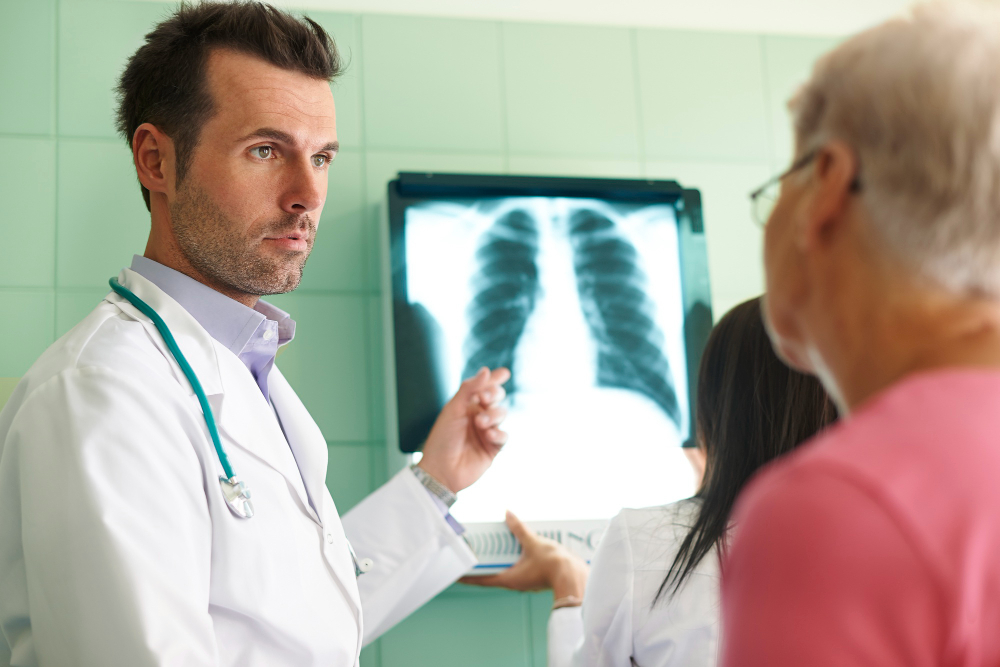
If your test is positive, it does not always mean you have active TB. Sometimes, it means you were exposed in the past. Your doctor may order more tests, such as a chest X-ray, to check for active disease. If your test is negative, you likely do not have TB infection. However, your doctor will explain what your results mean and what to do next.
Prevention and Next Steps After Screening
If your TB test is positive, your doctor will guide you on the next steps. This may include more tests or starting treatment. Early treatment can stop TB from becoming active and spreading to others. If your test is negative, you may not need further action, but you should still watch for symptoms like cough, fever, or weight loss.
To help prevent TB:
In many cities, local health departments offer free or low-cost TB screening. You can ask your doctor or check online for resources in your area.
If you think you may need tuberculosis screening, consult a healthcare professional for personalized advice.