
What Is a Lipid Profile Test?
A lipid profile test is a simple blood test. It measures the levels of fats in your blood. These fats include cholesterol and triglycerides. The test helps check your risk for heart disease. Many doctors call it a cholesterol blood test. Often, the lipid profile test is part of a routine health check.
Why Is a Lipid Profile Test Important?
Knowing your lipid levels is important for your heart health. High cholesterol or triglycerides can block your blood vessels. As a result, you may face a higher risk of heart attack or stroke. Early detection helps you and your doctor make healthy choices. According to the CDC, heart disease is a leading cause of death. Therefore, regular testing can help prevent serious problems.
Who Should Get a Lipid Profile Test?
Many people benefit from this test. You should consider it if you:
Even if you feel healthy, regular checks can catch problems early.
How Is the Test Performed?
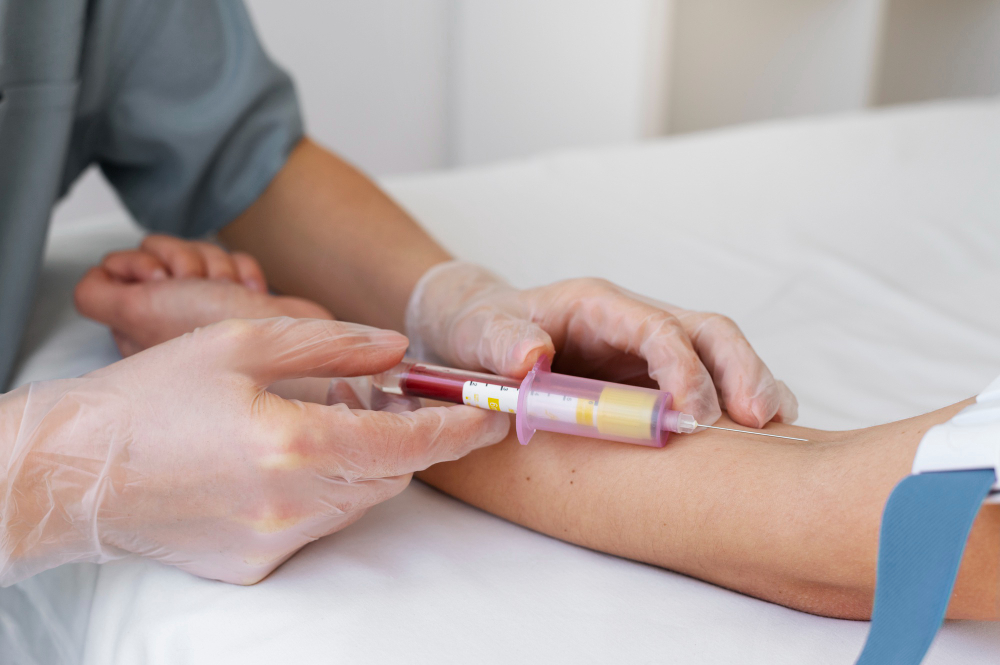
The lipid profile test procedure is quick and easy. First, a nurse or technician draws a small amount of blood from your arm. The sample goes to a lab for analysis. Usually, the whole process takes less than 10 minutes. You can return to your normal activities right after the test.
How to Prepare for a Lipid Profile Test
Proper preparation helps get accurate results. Here are some tips on how to prepare for a lipid profile test:
Fasting is important because food can change your blood fat levels. Always ask your doctor if you need to fast.
Understanding Your Results
Your test report will show several numbers. Each measures a different type of fat. Here are the main parts and the lipid profile test normal range (in mg/dL):
If your numbers are outside these ranges, your doctor may suggest changes. Sometimes, you may need medicine or lifestyle changes. Always discuss your results with a healthcare professional.
Risks and Limitations
The lipid profile test is very safe. However, you may feel a small pinch when the blood is drawn. Rarely, you might get a bruise or feel dizzy. The test has some limits. For example, recent illness, stress, or certain medicines can affect results. Also, one test may not show your long-term risk. Therefore, regular testing is often needed.
Lifestyle Tips for Healthy Lipid Levels
Healthy habits can help keep your cholesterol and triglycerides in check. Try these tips:
Even small changes can make a big difference over time.
Frequently Asked Questions (FAQs)
Conclusion
In summary, a lipid profile test is a key tool for heart health. It helps you and your doctor spot risks early. If you have questions or concerns, consult a healthcare professional for personalized advice about your lipid profile test results.