
Introduction
An electrolyte panel test is a simple blood test. It checks the levels of key minerals in your blood. These minerals, called electrolytes, help your body work well. For example, they control your heart, muscles, and nerves. Because of this, doctors often use this test to spot health problems early. Understanding your results can help you stay healthy. In this blog, you will learn what the test is, why it is important, and what your results mean.
What is an Electrolyte Panel Test?
An electrolyte panel test measures the amount of certain minerals in your blood. These minerals include sodium, potassium, chloride, and bicarbonate. Each one plays a special role in your body. For instance, they help balance fluids, keep your heart beating, and support nerve signals. If any of these levels are too high or too low, it may signal a health issue. So, this test is a key part of many routine health checks.
Why is an Electrolyte Panel Test Ordered?
Doctors order an electrolyte panel test for many reasons. Sometimes, you may have symptoms like weakness, confusion, or irregular heartbeat. These can be signs of an electrolyte imbalance. Other times, your doctor may want to check your health if you have certain conditions. For example, people with kidney disease, heart problems, or those taking certain medicines may need this test. In addition, the test can help monitor treatment for these conditions.
How is the Test Performed?
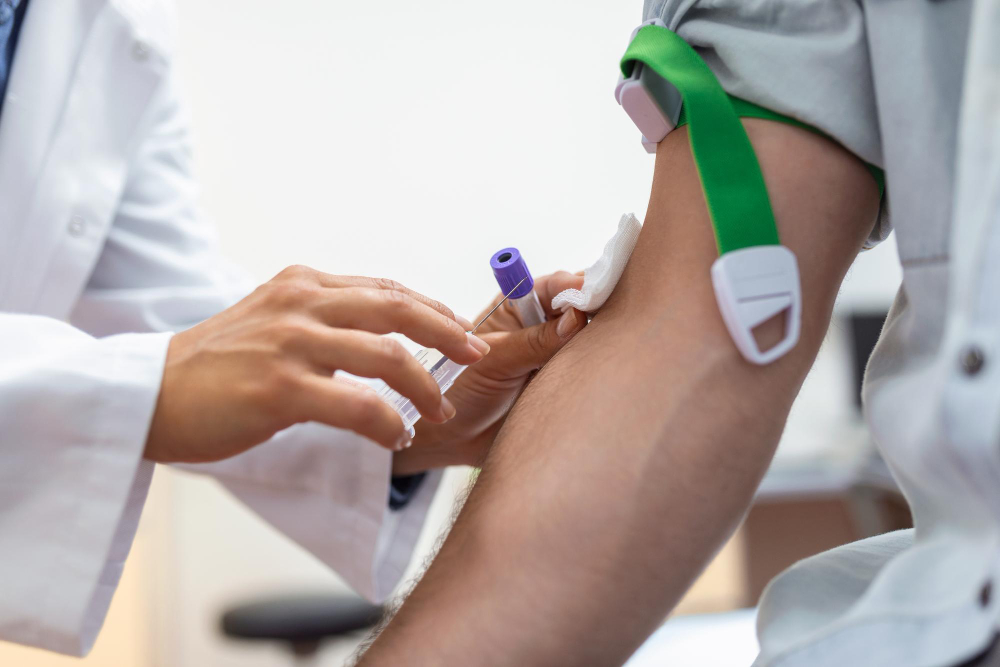
Getting an electrolyte panel test is quick and easy. First, a healthcare worker will clean your arm. Next, they will use a small needle to take a blood sample. The process usually takes only a few minutes. Afterward, your sample goes to a lab for testing. Most people feel only a brief pinch. Because the test is simple, you can return to your normal activities right away.
Understanding Your Results
The test measures several key electrolytes. Each one has a normal range. If your levels are outside these ranges, it may mean something is wrong. However, only a doctor can explain what your results mean for you.
For example, high or low levels may point to kidney problems, dehydration, or side effects from medicines. Sometimes, changes are mild and not a cause for worry. Still, it is important to talk to your doctor about your results.
Preparation and Aftercare
Most people do not need special steps before an electrolyte panel test. However, your doctor may ask you to avoid certain foods or medicines. Always follow their advice. After the test, you can eat and drink as usual. If you feel dizzy or notice swelling at the needle site, let your healthcare provider know. Usually, there are no side effects.
Frequently Asked Questions
Conclusion
An electrolyte panel test is a simple way to check your body’s balance of key minerals. Because these minerals are vital, the test can help spot health problems early. If you have symptoms or health concerns, talk to your doctor. Consult a healthcare provider for personalized advice about electrolyte panel tests.