
Introduction to Renal Function Tests
Renal function tests help check how well your kidneys are working. These tests are important because your kidneys remove waste and extra fluid from your blood. Without healthy kidneys, your body cannot balance water, salts, and minerals. For this reason, doctors often use renal function tests to spot problems early. If you are searching for “renal function tests” or “kidney function test procedure,” this guide will help you understand what to expect.
Why Are Renal Function Tests Important?
Kidneys play a key role in your health. They filter blood, control blood pressure, and keep bones strong. When kidneys do not work well, waste builds up in your body. Early testing can catch problems before they get worse. In many cases, quick action can prevent lasting damage. Therefore, knowing about these tests can help you stay healthy.
Common Reasons for Renal Function Testing
Doctors may suggest renal function tests if you have certain symptoms or risks. For example, you may need testing if you:
Sometimes, these tests are part of a routine checkup. In other cases, they help find the cause of symptoms.
Types of Renal Function Tests
There are several tests to check kidney health. Each test gives different information. The most common renal function tests include:
Each test helps doctors understand different parts of kidney function. For example, GFR is often used to stage kidney disease.
How Are Renal Function Tests Performed?
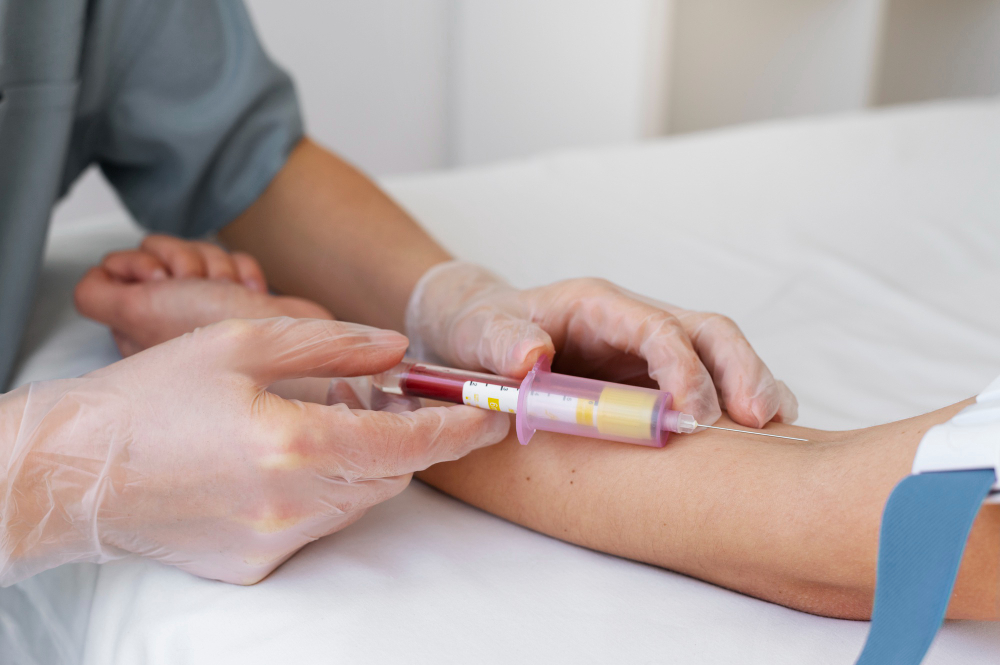
Most renal function tests are simple and quick. Usually, you will need to give a blood or urine sample. Here is what you can expect:
After the samples are collected, they are sent to a lab for testing. Results are usually ready within a few days.
Understanding Your Test Results
Test results help your doctor see how well your kidneys are working. Here are some normal ranges:
However, normal ranges can differ by lab. If your results are outside these ranges, your doctor will explain what they mean. Sometimes, a single abnormal result does not mean you have kidney disease. For this reason, doctors may repeat tests or order more checks.
Causes of Abnormal Renal Function Test Results
Many things can cause abnormal results. Some common causes include:
Because many factors affect kidney tests, it is important to talk with your doctor. They can help find the cause and suggest the next steps.
How to Prepare for Renal Function Tests
In most cases, you do not need special preparation. However, your doctor may ask you to:
Always follow your doctor’s instructions. If you have questions, ask before the test.
Aftercare and Next Steps
After the test, you can usually return to normal activities. If you feel dizzy after a blood draw, sit and rest for a few minutes. Once your results are ready, your doctor will discuss them with you. If needed, they may suggest more tests or treatment.
Tips for Keeping Your Kidneys Healthy
Healthy habits can protect your kidneys. Try these tips:
With these steps, you can lower your risk of kidney problems.
When to Consult a Healthcare Professional
If you notice symptoms like swelling, tiredness, or changes in urination, see your doctor. Early testing can help prevent serious kidney issues. Even if you feel well, regular checkups are important if you have risk factors like diabetes or high blood pressure.
Conclusion
Renal function tests are simple but important tools for understanding kidney health. They help spot problems early and guide treatment. If you have questions about your kidneys or test results, consult a healthcare specialist for personalized advice on renal function tests and kidney health.