Introduction
Malaria infection is a serious disease caused by a parasite. It spreads through the bite of infected mosquitoes. Many people ask about malaria symptoms, how is malaria diagnosed, malaria treatment options, and preventing malaria. In this blog, you will learn about each of these topics. Understanding malaria can help you stay safe and healthy. According to the World Health Organization (WHO), malaria affects millions each year, especially in tropical areas.
What is Malaria Infection?
Malaria is an illness caused by a parasite called Plasmodium. This parasite enters the body when a person is bitten by an infected mosquito. Once inside, it travels to the liver and then infects red blood cells. Not everyone who gets malaria feels sick right away. However, the disease can become life-threatening if not treated quickly. The Centers for Disease Control and Prevention (CDC) states that malaria is common in Africa, Asia, and South America.
Symptoms of Malaria
Malaria symptoms usually appear 10 to 15 days after a mosquito bite. However, sometimes symptoms can show up later. Early signs may seem like the flu. But malaria can get worse quickly. Watch for these common symptoms:
If you notice these symptoms after visiting a malaria area, seek help right away. Early treatment can save lives.
Causes and Transmission
Malaria infection is caused by Plasmodium parasites. There are several types, but Plasmodium falciparum is the most dangerous. The main way malaria spreads is through the bite of an infected Anopheles mosquito. However, in rare cases, it can also spread through:
Still, most people get malaria from mosquito bites. Mosquitoes pick up the parasite when they bite someone who already has malaria. Then, they pass it to the next person they bite.
Diagnosis of Malaria
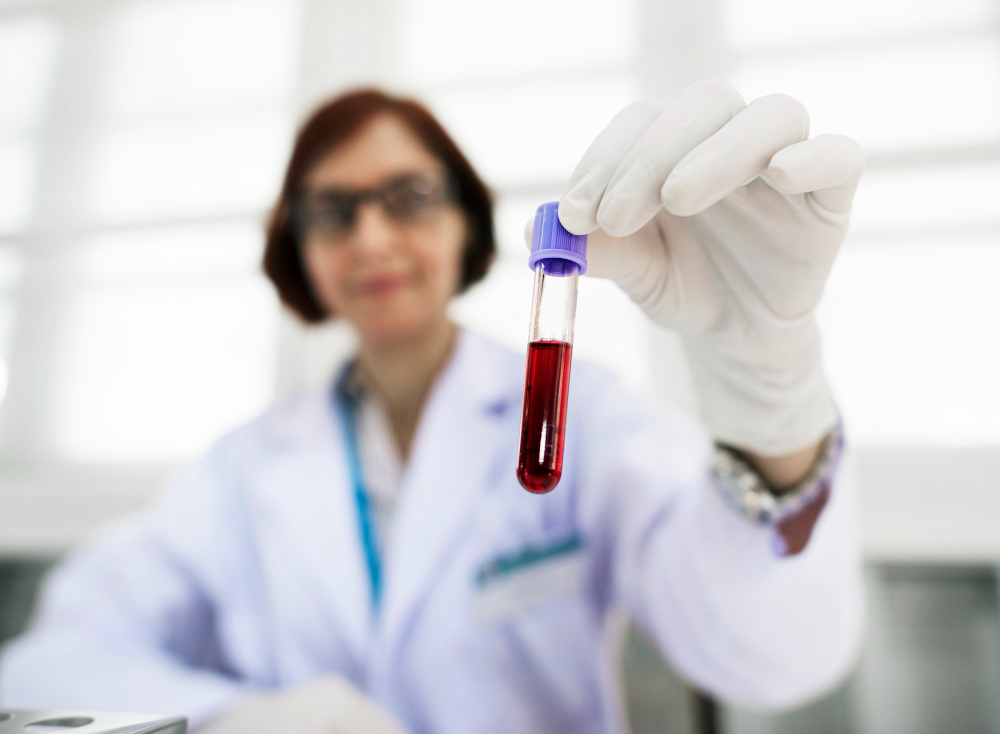
Doctors use several tests to diagnose malaria. If you have malaria symptoms, your doctor will ask about recent travel. They may also ask if you have been in areas where malaria is common. To confirm malaria, doctors usually:
Because malaria can be deadly, early diagnosis is very important. If you wonder how is malaria diagnosed, remember that blood tests are the main way.
Treatment Options
Malaria treatment options depend on the type of parasite and how sick you are. Doctors often use medicines called antimalarials. Common treatments include:
Most people get better with the right treatment. However, some types of malaria are resistant to certain drugs. Therefore, your doctor will choose the best medicine for you. It is important to finish all your medicine, even if you feel better.
Prevention Tips
Preventing malaria is very important, especially if you live in or travel to areas where malaria is common. You can lower your risk by following these tips:
By following these steps, you can help protect yourself and your family from malaria infection.
When to See a Doctor
If you have a fever, chills, or other malaria symptoms after visiting a malaria area, see a doctor right away. Early diagnosis and treatment can prevent serious problems. Even if your symptoms are mild, it is better to be safe. Always tell your doctor about recent travel. This helps them decide if malaria testing is needed.
In summary, malaria infection is a serious but preventable disease. If you think you may have malaria, or if you plan to travel to a malaria area, consult your healthcare professional for advice and care tailored to your needs.