
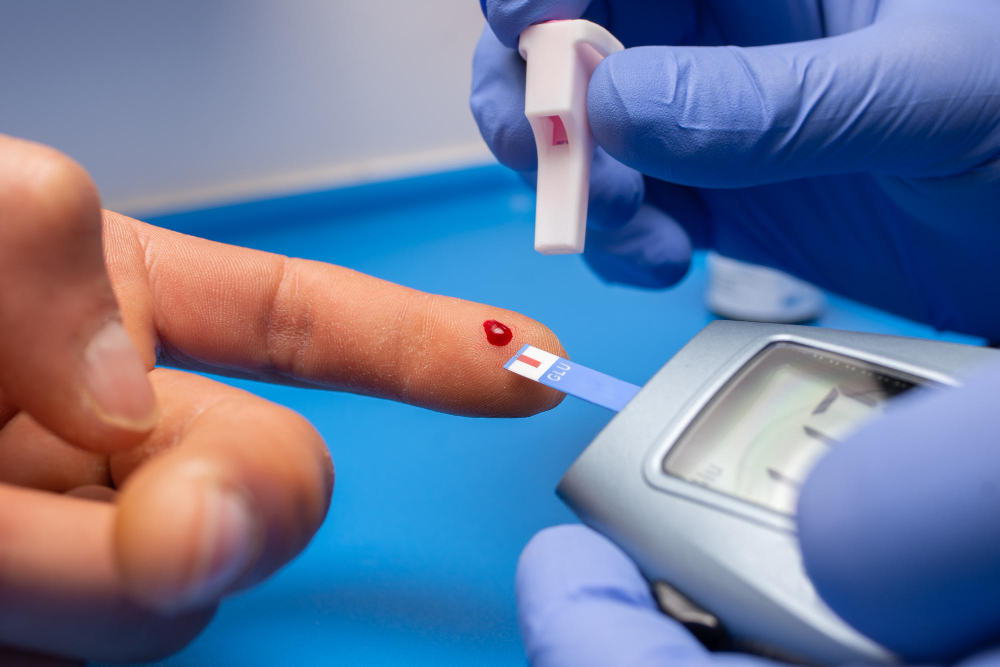
Introduction to Diabetes Screening Tests
Diabetes screening tests help find high blood sugar early. These tests are simple and important. Many people do not know they have diabetes. Early detection of diabetes can help prevent serious health problems. In this blog, you will learn about diabetes screening tests, how to test for diabetes, and what to expect.
Importance of Early Detection
Early detection of diabetes can save lives. When you find diabetes early, you can start treatment sooner. This helps lower the risk of heart disease, kidney problems, and nerve damage. Also, early care can help you feel better and stay active. For these reasons, regular diabetes screening tests are important for many people.
Types of Diabetes Screening Tests
There are several types of diabetes screening tests. Each test checks your blood sugar in a different way. Here are the most common tests:
Each test helps doctors find out if you have diabetes or are at risk.
Who Should Get Screened?
Not everyone needs diabetes screening tests at the same age. However, some people are at higher risk. You should consider getting screened if you:
For children and teens, doctors may suggest screening if they are overweight and have other risk factors. Always ask your healthcare provider if you are unsure.
How to Prepare for Screening
Preparation depends on the type of diabetes screening test. For example, some tests need fasting. Here are some tips:
Following these steps helps get accurate results.
What to Expect During and After the Test
Most diabetes screening tests are quick and simple. Usually, a nurse or technician will draw a small amount of blood from your arm. The process takes only a few minutes. You may feel a small pinch, but it is not very painful. After the test, you can usually return to your normal activities. For fasting tests, you can eat once the blood sample is taken.
Understanding Your Results
After your diabetes screening tests, your doctor will explain the results. Here is what the numbers mean for common tests:
If your results are high, your doctor may repeat the test or suggest more tests. Early action can help prevent complications.
Prevention and Next Steps
If your diabetes screening tests show you are at risk, do not worry. There are steps you can take. For example, eating healthy foods, staying active, and losing weight can help. Sometimes, your doctor may suggest medicine. Regular check-ups are important to track your health. Even if your results are normal, healthy habits can lower your risk of diabetes.
Frequently Asked Questions
Conclusion
Diabetes screening tests are key to finding diabetes early. They are simple, safe, and can help protect your health. If you have risk factors, talk to your doctor about getting tested. Early detection of diabetes gives you the best chance for a healthy life. Consult a healthcare professional for personalized diabetes screening advice.